A boiler replacement usually starts long before any tools come out. If you are wondering what is involved in installing a new boiler, the real answer is part survey, part system design, part safety co
What Is Involved in Installing a New Boiler?
A boiler replacement usually starts long before any tools come out. If you are wondering what is involved in installing a new boiler, the real answer is part survey, part system design, part safety compliance, and part practical installation work. For most homeowners, the main concern is simple: will the new boiler be the right fit, installed safely, and worth the money?
That is exactly how it should be approached. A new boiler is not just a boxed appliance swapped over in an hour. It needs to suit your property, your hot water demand, your existing heating system, and your budget. A proper installation should leave you with reliable heating, lower running costs, valid warranty cover, and confidence that the work meets current regulations.
What is involved in installing a new boiler before the work starts?
The first stage is an assessment of your home and heating setup. A qualified installer will usually check the size of the property, the number of radiators, the number of bathrooms, current boiler type, flue position, gas supply, water pressure, and the condition of existing pipework.
This is where boiler choice gets decided. In some homes, a combi boiler is the obvious option because it saves space and provides hot water on demand. In others, a system boiler or regular boiler makes more sense, especially if the property has higher hot water demand or an older layout with tanks already in place. There is no single best answer for every house.
Sizing matters as well. Too small, and the boiler may struggle in winter or when more than one outlet is used. Too large, and you can end up paying more upfront for capacity you do not need. A good installer will recommend output based on real demand, not guesswork.
You should also receive a clear quotation covering the boiler itself, controls, flue components, filter, labour, commissioning, and removal of the old unit. This is the point where homeowners often compare price, but the cheapest quote is not always the best value if it excludes key items or offers a shorter warranty.
What is involved in installing a new boiler on the day?
On installation day, the engineer will first isolate the gas, water, and electrics as needed to make the system safe. The old boiler is then removed. Depending on the age of the system, this can be straightforward or more involved if the existing pipework is outdated or poorly arranged.
If the new boiler is going in the same place and is the same general type, the job is usually simpler. A like-for-like replacement tends to involve less pipe alteration, less disruption, and a faster turnaround. In many homes, this can be completed within a day.
If you are changing boiler type or moving the boiler to a new location, the work becomes more involved. Pipework may need to be rerouted, the flue position may change, and condensate drainage may need to be installed or extended. In some cases, the gas pipe also needs upgrading to ensure the new boiler receives the correct supply.
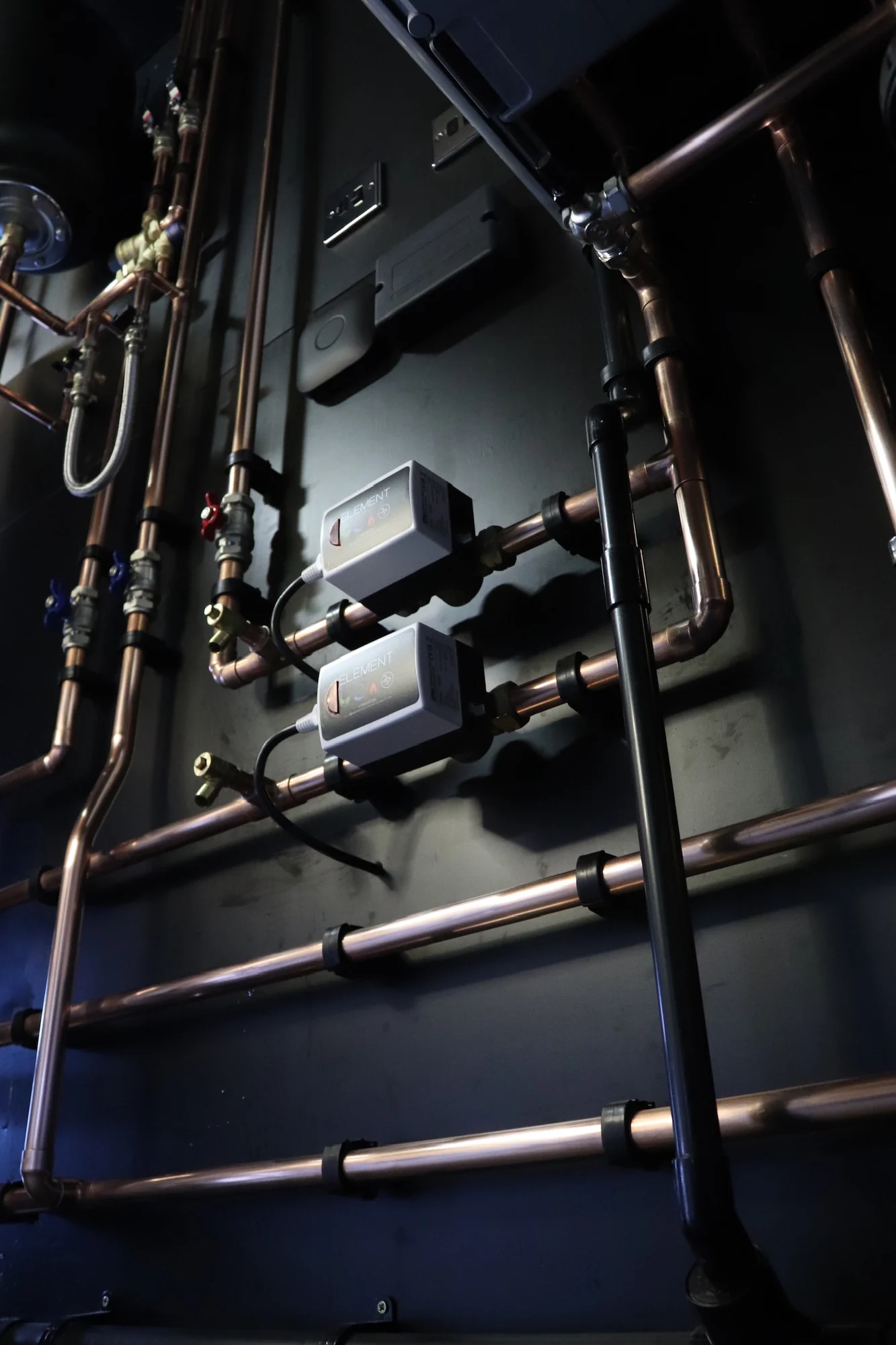
The new boiler is then mounted and connected to the heating system, hot water supply where relevant, gas supply, condensate pipe, pressure relief pipe, and flue. Every part of this needs to be installed to manufacturer instructions and current safety standards. That is one reason Gas Safe registration matters so much. Boiler installation is regulated work and should never be carried out by anyone unqualified.
System cleaning and protection matter more than most people realise
One of the most overlooked parts of a boiler installation is system water quality. If sludge, rust, and debris are left circulating around the heating system, they can reduce efficiency and shorten the life of the new boiler.
That is why a proper installation often includes some form of system clean or flush. The level of cleaning depends on the condition of the existing system. In some homes, a chemical flush is enough. In others, especially where there are cold spots in radiators or signs of contamination, a more thorough clean may be recommended.
A magnetic filter is also commonly fitted. This helps catch metallic debris before it reaches the boiler's internal components. In practical terms, it is a relatively small addition that can make a big difference to long-term reliability.
The system should also be treated with inhibitor once the work is complete. This helps protect against internal corrosion and supports efficient running over time.
Controls, efficiency and getting the best from the new boiler
Installing a new boiler is also a good time to look at your heating controls. If your current thermostat is basic or outdated, upgrading controls can improve comfort and reduce energy waste.
Modern options may include programmable room thermostats, smart controls, thermostatic radiator valves, or zoned heating arrangements. Not every home needs the most advanced setup, but better controls often help you get the full efficiency benefit of a modern boiler.
This is one of those areas where spending a little more upfront can pay back over the years. A high-efficiency boiler paired with poor controls will not perform as well as it should.
Testing, commissioning and legal sign-off
Once the boiler is physically installed, the job is not finished. The engineer must test the system thoroughly. This includes checking gas soundness, confirming safe operation, testing pressures, inspecting combustion, and making sure the boiler, flue, and controls are all working correctly.
The boiler is then commissioned in line with the manufacturer's requirements. This step is important because warranty terms often depend on correct commissioning and registration.
The installation should also be notified to the relevant authority through the Gas Safe process. You should receive certification confirming the work has been completed legally and safely. Any reputable installer will handle this as standard.
Before leaving, the engineer should explain how to use the new boiler and controls, how to top up pressure if required, and what you need to do in terms of servicing. For many homeowners, this handover is just as important as the installation itself. A good boiler is only helpful if you know how to use it properly.
How long does a new boiler installation take?
It depends on the complexity of the job. A straightforward combi-to-combi replacement in the same location may take around one day. A conversion from a regular boiler to a combi boiler, or a move to a different part of the house, can take two days or sometimes longer.
The condition of the existing system also affects timing. If pipework changes are needed, if radiators require attention, or if there are issues with drainage, access, or flue routing, the work can take longer than expected.
A professional installer should give you a realistic timescale before the job starts rather than promising an unrealistically quick turnaround.
Costs, warranties and finance
For most households, cost is a major part of the decision. The final price depends on boiler model, output, warranty length, controls, system upgrades, and whether it is a like-for-like swap or a more complex conversion.
That is why headline prices can vary so much. A low starting price may cover a basic installation, but it may not include upgraded controls, system cleaning, or additional pipework. On the other hand, paying more can make sense if it includes a recognised boiler brand, a long manufacturer-backed warranty, and work completed by an accredited installer.
For homeowners weighing up affordability, finance can make a replacement more manageable, especially if the existing boiler is unreliable and cannot be left until a more convenient time. Monthly payment options often help households replace a failing boiler before it becomes an emergency.
Element Home Services works with homeowners across Hertfordshire and Buckinghamshire who want that balance of safety, recognised accreditation, clear pricing, and practical payment options.
Choosing the right installer matters as much as choosing the boiler
A new boiler is only as good as the installation behind it. Even a respected boiler brand can underperform if the sizing is wrong, the system is not cleaned properly, or the commissioning is rushed.
Look for a Gas Safe registered installer with experience in boiler replacement and heating systems, not just general plumbing. Manufacturer accreditation can also be a good sign, particularly if it gives access to longer warranties or shows that the installer has been assessed on product knowledge and installation standards.
It is also worth paying attention to how the quotation is explained. Homeowners should not be left guessing what is included, what is optional, or why one boiler has been recommended over another. Straightforward advice is usually a good indicator of a reliable installer.
If you are planning a replacement, think of the job as more than fitting a new appliance. What is involved in installing a new boiler is really about making sure your home has safe, efficient heating that is set up properly from day one — and that is what makes the investment worthwhile. To arrange a free survey or get a clear quote, call Element Home Services on 01296 914459.
NEED HELP WITH YOUR HEATING OR PLUMBING?
Gas Safe registered engineers serving Hertfordshire & Buckinghamshire. Free survey available.

